Sri Vyasayogicharita ("the life of Vyasa the yogi") is a champu, a Sanskrit work in mixed prose and verse. It has six chapters, called ullasas. Its poet, Somanatha, was a younger contemporary of the saint. The editor places him around 1500–1560 CE.
ಶ್ರೀ ವ್ಯಾಸಯೋಗಿಚರಿತ ಒಂದು ಚಂಪೂ ಕಾವ್ಯ, ಅಂದರೆ ಗದ್ಯ ಮತ್ತು ಪದ್ಯ ಬೆರೆತ ಸಂಸ್ಕೃತ ಕೃತಿ. ಇದರಲ್ಲಿ ಉಲ್ಲಾಸ ಎಂಬ ಆರು ಅಧ್ಯಾಯಗಳಿವೆ. ಇದನ್ನು ರಚಿಸಿದ ಸೋಮನಾಥ ಕವಿ ವ್ಯಾಸರಾಜರ ಕಿರಿಯ ಸಮಕಾಲೀನರು. ಸಂಪಾದಕರ ಪ್ರಕಾರ ಅವರ ಕಾಲ ಸು. ಕ್ರಿ.ಶ. ೧೫೦೦–೧೫೬೦.
That is what makes the poem special. At its end Somanatha tells how the saint's disciple Narayana Yati invited him to Vidyapuri. There two reciters, Kambukantha and Kalakantha, read aloud a poem on his life before Sri Vyasatirtha himself, and the editor takes it to be this very work. The poem stops while he is still alive, and it does not describe his passing.
ಅದೇ ಈ ಕೃತಿಯ ವಿಶೇಷ. ವ್ಯಾಸರಾಜರ ಶಿಷ್ಯ ನಾರಾಯಣ ಯತಿಗಳು ತಮ್ಮನ್ನು ವಿದ್ಯಾಪುರಿಗೆ ಆಹ್ವಾನಿಸಿದ್ದನ್ನು ಕವಿ ಕೊನೆಯಲ್ಲಿ ಹೇಳುತ್ತಾರೆ. ಅಲ್ಲಿ ಕಂಬುಕಂಠ ಮತ್ತು ಕಲಕಂಠ ಎಂಬ ಇಬ್ಬರು ವಾಚಕರು ಅವರ ಚರಿತೆಯ ಕಾವ್ಯವನ್ನು ಸ್ವತಃ ವ್ಯಾಸರಾಜರ ಸನ್ನಿಧಿಯಲ್ಲಿ ವಾಚಿಸಿದರು. ಅದು ಇದೇ ಕೃತಿ ಎಂದು ಸಂಪಾದಕರ ಅಭಿಪ್ರಾಯ. ವ್ಯಾಸರಾಜರು ಇನ್ನೂ ಇರುವಾಗಲೇ ಕಾವ್ಯ ಮುಗಿಯುತ್ತದೆ. ಅವರ ವೃಂದಾವನಪ್ರವೇಶದ ವರ್ಣನೆ ಇದರಲ್ಲಿಲ್ಲ.
The editor says Somanatha was a Smarta, not a Madhva: he counts Balarama among the ten avatars and names no earlier Madhva ascetic. He was of the Vatsa gotra, from Govindatirthapura near Kanchi, and he tells some events differently from tradition. This page follows the poem, and where tradition remembers an event differently, a short note says so. The poem gives no years. Its editor dates Sri Vyasatirtha to 1478–1539 CE.
ಸೋಮನಾಥರು ಮಾಧ್ವರಲ್ಲ, ಸ್ಮಾರ್ತರು ಎಂದು ಸಂಪಾದಕರು ಹೇಳುತ್ತಾರೆ: ಅವರು ದಶಾವತಾರಗಳಲ್ಲಿ ಬಲರಾಮನನ್ನು ಎಣಿಸುತ್ತಾರೆ, ಹಿಂದಿನ ಮಾಧ್ವ ಯತಿಗಳನ್ನು ಹೆಸರಿಸುವುದಿಲ್ಲ. ಅವರು ವತ್ಸ ಗೋತ್ರದವರು, ಕಾಂಚಿಯ ಬಳಿಯ ಗೋವಿಂದತೀರ್ಥಪುರದವರು. ಕೆಲವು ಘಟನೆಗಳನ್ನು ಅವರು ಸಂಪ್ರದಾಯಕ್ಕಿಂತ ಬೇರೆಯಾಗಿ ಹೇಳುತ್ತಾರೆ. ಈ ಪುಟ ಕಾವ್ಯವನ್ನೇ ಅನುಸರಿಸುತ್ತದೆ. ಸಂಪ್ರದಾಯ ಬೇರೆ ಹೇಳುವಲ್ಲಿ ಚಿಕ್ಕ ಟಿಪ್ಪಣಿ ಇದೆ. ಕಾವ್ಯದಲ್ಲಿ ಇಸವಿಗಳಿಲ್ಲ. ಸಂಪಾದಕರು ವ್ಯಾಸರಾಜರ ಕಾಲವನ್ನು ಕ್ರಿ.ಶ. ೧೪೭೮–೧೫೩೯ ಎಂದು ಕೊಡುತ್ತಾರೆ.
Source: Somanatha, Sri Vyasayogicharitam, edited by Prof. D. Prahladacharya (Dvaita Vedanta Studies and Research Foundation, Bangalore), read on Ambuda. The story is retold in our own words, and the verses are quoted from the poem.
ಆಧಾರ: ಸೋಮನಾಥ, ಶ್ರೀ ವ್ಯಾಸಯೋಗಿಚರಿತಮ್, ಸಂ. ಪ್ರೊ. ಡಿ. ಪ್ರಹ್ಲಾದಾಚಾರ್ಯ (ದ್ವೈತ ವೇದಾಂತ ಸ್ಟಡೀಸ್ ಅಂಡ್ ರಿಸರ್ಚ್ ಫೌಂಡೇಷನ್, ಬೆಂಗಳೂರು). ಇದನ್ನು ಅಂಬುಡ (Ambuda) ಜಾಲತಾಣದಲ್ಲಿ ಓದಲಾಗಿದೆ. ಕಥೆಯನ್ನು ನಮ್ಮ ಮಾತುಗಳಲ್ಲಿ ಹೇಳಲಾಗಿದೆ. ಶ್ಲೋಕಗಳು ಕಾವ್ಯದಿಂದ ಆಯ್ದವು.
प्रथमोल्लासः
Chapter 1 of 6ಅಧ್ಯಾಯ ೧ / ೬
The Promise at Badariಬದರಿಯಲ್ಲಿ ಕೊಟ್ಟ ಮಾತು
Before the hero is born, the poet takes us to the Himalaya, where Sri Vedavyasa himself foretells his coming.
ಕಥಾನಾಯಕರು ಹುಟ್ಟುವ ಮೊದಲೇ ಕವಿ ನಮ್ಮನ್ನು ಹಿಮಾಲಯಕ್ಕೆ ಕರೆದೊಯ್ಯುತ್ತಾರೆ. ಅಲ್ಲಿ ಸ್ವತಃ ಶ್ರೀ ವೇದವ್ಯಾಸರು ಅವರ ಅವತಾರವನ್ನು ಮುಂಚಿತವಾಗಿ ಹೇಳುತ್ತಾರೆ.
The poet bowsಕವಿಯ ನಮನ
Somanatha opens with one verse for each of the ten avatars of Vishnu. Then he says what matters to him most. Let envious, half-learned critics say what they like. A single nod of approval from Sri Vyasatirtha is worth a hundred Mount Merus.
ಸೋಮನಾಥರು ವಿಷ್ಣುವಿನ ಹತ್ತು ಅವತಾರಗಳಿಗೆ ತಲಾ ಒಂದು ಶ್ಲೋಕದಿಂದ ನಮಿಸುತ್ತಾರೆ. ನಂತರ ತಮಗೆ ಮುಖ್ಯವಾದುದನ್ನು ಹೇಳುತ್ತಾರೆ. ಮತ್ಸರಿಗಳಾದ ಅರೆಪಂಡಿತರು ಏನಾದರೂ ಹೇಳಲಿ. ಶ್ರೀ ವ್ಯಾಸರಾಜರು ಮೆಚ್ಚಿ ಒಮ್ಮೆ ತಲೆದೂಗಿದರೆ ಸಾಕು, ಅದು ನೂರು ಮೇರು ಪರ್ವತಗಳಿಗೆ ಸಮ.
Then he honours Kalidasa and the great poets of old, and is humble about his task: “Today I set out to hold in words the life of Sri Vyasayogisha. Who is as rash as I?”
ಆಮೇಲೆ ಕಾಳಿದಾಸಾದಿ ಹಿರಿಯ ಕವಿಗಳನ್ನು ಸ್ಮರಿಸಿ, “ಶ್ರೀ ವ್ಯಾಸಯೋಗೀಶರ ಚರಿತೆಯನ್ನು ಮಾತಿನಲ್ಲಿ ಹಿಡಿಯಲು ಹೊರಟಿದ್ದೇನೆ. ನನ್ನಷ್ಟು ಸಾಹಸಿ ಯಾರು?” ಎಂದು ವಿನಯದಿಂದ ಹೇಳುತ್ತಾರೆ.
Good people, why bring forward the envious, proud of shallow learning, as conceited as if they had come down from the sky? Among the learned of this earth, one approving nod of Sri Vyasayogisha's head is worth a hundred Mount Merus.
ಸಜ್ಜನರೇ, ಮತ್ಸರದಿಂದ ಕೀಳಾದವರನ್ನು, ಅರೆಪಾಂಡಿತ್ಯದ ಗರ್ವದವರನ್ನು, ಆಕಾಶದಿಂದ ಇಳಿದು ಬಂದವರಂತೆ ಅಹಂಕರಿಸುವವರನ್ನು ಮುಂದೆ ತಂದು ಏನು ಪ್ರಯೋಜನ? ಭೂಮಿಯ ವಿದ್ವಾಂಸರ ನಡುವೆ ಶ್ರೀ ವ್ಯಾಸಯೋಗೀಶರ ಒಂದೇ ಒಂದು ಮೆಚ್ಚುಗೆಯ ತಲೆದೂಗು ನೂರು ಮೇರುಗಳಿಗೆ ಸಮ.
Ullasa 1, verse 14
ಪ್ರಥಮೋಲ್ಲಾಸ, ಶ್ಲೋಕ ೧೪
Sages at Badariಬದರಿಗೆ ಬಂದ ಋಷಿಗಳು
Long ago, companies of ascetics travelled to Badari in the Himalaya, where Nara and Narayana once performed tapas. By a lake called Amritadhara stood Vyasa's hermitage. There lion cubs bent branches down for young elephants, and the air rang with Vedic chanting.
ಹಿಂದೆ ಒಮ್ಮೆ ಋಷಿಗಣಗಳು ಹಿಮಾಲಯದ ಬದರಿಗೆ ಬಂದರು. ಅದು ನರ-ನಾರಾಯಣರು ತಪಸ್ಸು ಮಾಡಿದ ಪುಣ್ಯಸ್ಥಳ. ಅಮೃತಧಾರಾ ಎಂಬ ಸರೋವರದ ತೀರದಲ್ಲಿ ವ್ಯಾಸರ ಆಶ್ರಮವಿತ್ತು. ಅಲ್ಲಿ ಸಿಂಹದ ಮರಿಗಳು ಆನೆಮರಿಗಳಿಗಾಗಿ ಕೊಂಬೆ ಬಗ್ಗಿಸುತ್ತಿದ್ದವು. ಎಲ್ಲೆಲ್ಲೂ ವೇದಘೋಷ ಕೇಳುತ್ತಿತ್ತು.
Under a vast banyan tree sat Sri Vedavyasa, dark as a rain cloud, his forehead marked with gopichandana, explaining the Upanishads to his disciples. He welcomed the sages warmly and asked after their welfare.
ವಿಶಾಲವಾದ ಆಲದ ಮರದ ಬುಡದಲ್ಲಿ ಶ್ರೀ ವೇದವ್ಯಾಸರು ಕುಳಿತಿದ್ದರು. ಅವರು ಮಳೆಮೋಡದಂತೆ ಶ್ಯಾಮಲವರ್ಣದವರು, ಹಣೆಯಲ್ಲಿ ಗೋಪೀಚಂದನದ ಊರ್ಧ್ವಪುಂಡ್ರ. ಶಿಷ್ಯರಿಗೆ ಉಪನಿಷತ್ತುಗಳ ಅರ್ಥ ಹೇಳುತ್ತಿದ್ದರು. ಋಷಿಗಳನ್ನು ಪ್ರೀತಿಯಿಂದ ಸ್ವಾಗತಿಸಿ ಕುಶಲ ವಿಚಾರಿಸಿದರು.
Troubling newsಆತಂಕದ ಸುದ್ದಿ
The sages had heard from Narada that false doctrines were spreading over the world. “You once told us this would happen in the Kali age,” they said. “But why is it spreading so soon, and when will it end?”
ಜಗತ್ತಿನಲ್ಲೆಲ್ಲ ದುರ್ಮತಗಳು ಹರಡುತ್ತಿವೆ ಎಂದು ಋಷಿಗಳು ನಾರದರಿಂದ ಕೇಳಿದ್ದರು. “ಕಲಿಯುಗದಲ್ಲಿ ಹೀಗಾಗುವುದೆಂದು ನೀವೇ ಹಿಂದೆ ಹೇಳಿದ್ದಿರಿ. ಆದರೆ ಇಷ್ಟು ಬೇಗ ಏಕೆ ಹರಡುತ್ತಿದೆ? ಇದು ಕೊನೆಗೊಳ್ಳುವುದು ಯಾವಾಗ?” ಎಂದು ಕೇಳಿದರು.
Vyasa's promiseವ್ಯಾಸರ ಭರವಸೆ
Vyasa smiled. Mukhyaprana, he said, had come as Hanuman, then as Bhima, and then as Madhvamuni. With Vyasa's own permission, Madhva wrote the Bhashya on the Brahmasutras. For now that teaching was clouded, like the sun swallowed by Rahu.
ವ್ಯಾಸರು ಮುಗುಳ್ನಕ್ಕರು. ಮುಖ್ಯಪ್ರಾಣರು ಮೊದಲು ಹನುಮಂತನಾಗಿ, ನಂತರ ಭೀಮಸೇನನಾಗಿ, ಆಮೇಲೆ ಮಧ್ವಮುನಿಗಳಾಗಿ ಅವತರಿಸಿದರು. ವ್ಯಾಸರ ಅನುಜ್ಞೆಯಿಂದಲೇ ಮಧ್ವರು ಬ್ರಹ್ಮಸೂತ್ರಭಾಷ್ಯ ರಚಿಸಿದರು. ಆದರೆ ಸದ್ಯ ಆ ಭಾಷ್ಯ ರಾಹುಗ್ರಸ್ತ ಸೂರ್ಯನಂತೆ ಮಂಕಾಗಿದೆ ಎಂದರು.
“But soon,” he promised, “a son will be born at Bannuru, the crest-jewel of the Kaveri's banks, to a devout couple named Ballana Sumati and Lakshmi, who have long worshipped me. Mukhyaprana himself will be present in him. He will spread Madhva's Bhashya, uproot false teachings and restore the Vedic way. Do not fear.” The sages bowed and went home rejoicing.
“ಆದರೆ ಬೇಗನೆ ಕಾವೇರಿ ತೀರದ ಶಿರೋಮಣಿಯಾದ ಬನ್ನೂರಿನಲ್ಲಿ ಒಬ್ಬ ಮಗ ಹುಟ್ಟುವನು. ಬಹುಕಾಲದಿಂದ ನನ್ನನ್ನು ಉಪಾಸಿಸುತ್ತಿರುವ ಬಲ್ಲಣ ಸುಮತಿ ಮತ್ತು ಲಕ್ಷ್ಮೀ ಎಂಬ ಭಕ್ತ ದಂಪತಿಗಳು ಅವನ ತಂದೆತಾಯಿ. ಅವನಲ್ಲಿ ಸ್ವತಃ ಮುಖ್ಯಪ್ರಾಣರ ಸನ್ನಿಧಾನವಿರುವುದು. ಅವನು ಮಧ್ವಭಾಷ್ಯವನ್ನು ಪ್ರಚಾರ ಮಾಡುವನು, ದುರ್ಮತಗಳನ್ನು ಕಿತ್ತೊಗೆಯುವನು, ವೈದಿಕ ಮಾರ್ಗವನ್ನು ಮತ್ತೆ ಸ್ಥಾಪಿಸುವನು. ಭಯಪಡಬೇಡಿ.” ಋಷಿಗಳು ನಮಿಸಿ ಸಂತೋಷದಿಂದ ಮರಳಿದರು.
Chapter 1 quizಅಧ್ಯಾಯ ೧ ರಸಪ್ರಶ್ನೆ
5 questions೫ ಪ್ರಶ್ನೆಗಳು
द्वितीयोल्लासः
Chapter 2 of 6ಅಧ್ಯಾಯ ೨ / ೬
The Golden Bowlಚಿನ್ನದ ಬಟ್ಟಲು
A childless couple in Bannuru, a dream at dawn, and a yogi who arrives exactly as foretold.
ಬನ್ನೂರಿನ ಮಕ್ಕಳಿಲ್ಲದ ದಂಪತಿಗಳು, ಬೆಳಗಿನ ಜಾವದ ಕನಸು, ಹೇಳಿದಂತೆಯೇ ಬಂದ ಯೋಗಿ.
A prayer for a childಮಗುವಿಗಾಗಿ ಪ್ರಾರ್ಥನೆ
In Bannuru (the poet also calls it Vahnipura), Lakshmi had grown thin with fasts and vows. One night she poured out her heart to her husband. What use are fine clothes, sandal paste and wealth to a childless couple? “Blessed are those who eat food stirred by their little ones' dusty hands.”
ಬನ್ನೂರಿನಲ್ಲಿ (ಕವಿ ಇದನ್ನು ವಹ್ನಿಪುರ ಎಂದೂ ಕರೆಯುತ್ತಾರೆ) ವ್ರತ-ಉಪವಾಸಗಳಿಂದ ಲಕ್ಷ್ಮೀ ಸೊರಗಿದ್ದಳು. ಒಂದು ರಾತ್ರಿ ಪತಿಯ ಬಳಿ ತನ್ನ ದುಃಖ ತೋಡಿಕೊಂಡಳು: ಮಕ್ಕಳಿಲ್ಲದವರಿಗೆ ಉಡುಗೆ, ಗಂಧ, ಸಂಪತ್ತು ಏಕೆ? “ಮಕ್ಕಳ ಧೂಳು ಮೆತ್ತಿದ ಪುಟ್ಟ ಕೈಗಳು ಕಲಸಿದ ಅನ್ನ ಉಣ್ಣುವವರೇ ಧನ್ಯರು.”
Ballana Sumati, a virtuous and wealthy devotee of Vishnu, comforted her. His thigh was throbbing, he said, a sign that good fortune was coming. “In such things Hari alone decides.”
ಸದ್ಗುಣಿಗಳೂ ಶ್ರೀಮಂತರೂ ಆದ ಹರಿಭಕ್ತ ಬಲ್ಲಣ ಸುಮತಿ ಅವಳನ್ನು ಸಮಾಧಾನಿಸಿದರು: “ನನ್ನ ತೊಡೆ ಅದುರುತ್ತಿದೆ, ಇದು ಶುಭದ ಸೂಚನೆ. ಇಂಥ ವಿಷಯಗಳಲ್ಲಿ ಹರಿಯೇ ಪ್ರಮಾಣ.”
The dreamಕನಸು
At dawn Lakshmi woke in tears of joy. Sri Vedavyasa had come to her in a dream and said: “Good lady, I am pleased by the hard austerities of you both.” He placed in her hand a golden bowl she had never seen before, crowned with a conch, a pearl and a spotless full moon.
ಬೆಳಗಿನ ಜಾವ ಲಕ್ಷ್ಮೀ ಆನಂದಬಾಷ್ಪದೊಂದಿಗೆ ಎಚ್ಚರಗೊಂಡಳು. ಕನಸಿನಲ್ಲಿ ಶ್ರೀ ವೇದವ್ಯಾಸರು ಬಂದು, “ಭದ್ರೇ, ನಿಮ್ಮಿಬ್ಬರ ಕಠಿಣ ತಪಸ್ಸಿಗೆ ಪ್ರಸನ್ನನಾಗಿದ್ದೇನೆ” ಎಂದಿದ್ದರು. ಹಿಂದೆಂದೂ ಕಾಣದ ಒಂದು ಚಿನ್ನದ ಬಟ್ಟಲನ್ನು ಅವಳ ಕೈಯಲ್ಲಿಟ್ಟಿದ್ದರು. ಅದರ ಮೇಲೆ ಶಂಖ, ಮುತ್ತು ಮತ್ತು ನಿರ್ಮಲ ಪೂರ್ಣಚಂದ್ರ ಇದ್ದವು.
“A yogi of immeasurable power named Brahmanya will soon come and fulfil your wish,” he said. “Follow his instructions with care.” Then he vanished. Ballana rose, bathed, and began a festival of worship in the temple.
“ಬ್ರಹ್ಮಣ್ಯ ಎಂಬ ಅಪಾರ ಮಹಿಮೆಯ ಯೋಗಿ ಬೇಗನೆ ಬಂದು ನಿಮ್ಮ ಬಯಕೆಯನ್ನು ಈಡೇರಿಸುವರು. ಅವರ ಮಾತನ್ನು ಎಚ್ಚರದಿಂದ ಪಾಲಿಸಿ” ಎಂದು ಹೇಳಿ ವ್ಯಾಸರು ಮಾಯವಾಗಿದ್ದರು. ಬಲ್ಲಣರು ಎದ್ದು ಸ್ನಾನ ಮಾಡಿ, ದೇವಾಲಯದಲ್ಲಿ ಪೂಜೋತ್ಸವ ಆರಂಭಿಸಿದರು.
The yogi at the Kaveriಕಾವೇರಿ ತೀರಕ್ಕೆ ಬಂದ ಯೋಗಿ
Just then, “by mere chance”, the great ascetic Brahmanya arrived at the Kaveri with a radiant crowd of disciples. He finished his midday rites in the river and walked to the agrahara of Bannuru on its northern bank.
ಅದೇ ಹೊತ್ತಿಗೆ, “ಆಕಸ್ಮಿಕವಾಗಿ”, ಬ್ರಹ್ಮಣ್ಯರೆಂಬ ಮಹಾಯತಿಗಳು ತೇಜಸ್ವಿ ಶಿಷ್ಯವೃಂದದೊಂದಿಗೆ ಕಾವೇರಿ ತೀರಕ್ಕೆ ಬಂದರು. ನದಿಯಲ್ಲಿ ಮಧ್ಯಾಹ್ನಾಹ್ನಿಕ ಮುಗಿಸಿ, ಉತ್ತರ ತೀರದ ಬನ್ನೂರು ಅಗ್ರಹಾರಕ್ಕೆ ನಡೆದರು.
Coming out of the temple, Ballana saw him approach: an ochre robe, a rosary of lotus seeds, gopichandana marks, a thin bamboo staff, a copper water-pot, sandals clicking, lips moving in japa. He was “Madhva's doctrine in bodily form”. “So this is what the word Brahmanya in the dream meant!” Ballana fell at his feet with his wife, took the water-pot from his hand and led him home.
ದೇವಾಲಯದಿಂದ ಹೊರಬಂದ ಬಲ್ಲಣರು ಅವರನ್ನು ಕಂಡರು: ಕಾವಿ ವಸ್ತ್ರ, ಕಮಲಬೀಜದ ಜಪಮಾಲೆ, ಗೋಪೀಚಂದನದ ಮುದ್ರೆಗಳು, ತೆಳು ಬಿದಿರಿನ ದಂಡ, ತಾಮ್ರದ ಕಮಂಡಲು, ಟಕಟಕಿಸುವ ಪಾದುಕೆಗಳು, ಜಪದಲ್ಲಿ ಚಲಿಸುವ ತುಟಿಗಳು. ಅವರು “ಮೂರ್ತಿವೆತ್ತ ಮಧ್ವಸಿದ್ಧಾಂತ”ದಂತಿದ್ದರು. “ಕನಸಿನಲ್ಲಿ ಕೇಳಿದ ಬ್ರಹ್ಮಣ್ಯ ಎಂಬ ಮಾತಿನ ಅರ್ಥ ಇವರೇ!” ಎಂದುಕೊಂಡು ಬಲ್ಲಣರು ಪತ್ನಿಯೊಂದಿಗೆ ಅವರ ಪಾದಕ್ಕೆರಗಿದರು. ಕಮಂಡಲುವನ್ನು ಕೈಗೆತ್ತಿಕೊಂಡು ಮನೆಗೆ ಕರೆದೊಯ್ದರು.
Three portionsಮೂರು ಭಾಗ
After the sage's meal, Ballana told his story with folded hands. He was the youngest of the six sons of Sri Ramadeva of the Kashyapa line. Childless for years, he had at his wife's urging also married Akkamma, the daughter of a Vedic scholar, and still no child had come.
ಯತಿಗಳ ಭಿಕ್ಷೆಯ ನಂತರ ಬಲ್ಲಣರು ಕೈಮುಗಿದು ತಮ್ಮ ಕಥೆ ಹೇಳಿದರು. ಕಾಶ್ಯಪ ವಂಶದ ಶ್ರೀ ರಾಮದೇವರ ಆರು ಗಂಡುಮಕ್ಕಳಲ್ಲಿ ತಾವು ಕೊನೆಯವರು. ಬಹುಕಾಲ ಮಕ್ಕಳಿಲ್ಲದೆ, ಪತ್ನಿಯ ಒತ್ತಾಯದಿಂದ ಶ್ರೋತ್ರಿಯರ ಮಗಳಾದ ಅಕ್ಕಮ್ಮನನ್ನೂ ಮದುವೆಯಾದರು. ಆದರೂ ಸಂತಾನವಾಗಲಿಲ್ಲ.
With his inner eye the sage saw the great soul who would be born to them, and he agreed. Next morning he performed a homa, divided the remainder of the offering into three and blessed it: “By this, three children will soon be born to you.” Ballana remembered Vyasa's word that the later son was to be given to the sage, and said, “So be it.” Brahmanya then left for his own home, towards Channapattana. In time, a daughter and a son were born.
ಈ ದಂಪತಿಗಳಿಗೆ ಹುಟ್ಟಲಿರುವ ಮಹಾಪುರುಷನನ್ನು ಯತಿಗಳು ಅಂತರ್ದೃಷ್ಟಿಯಿಂದ ಕಂಡು ಒಪ್ಪಿದರು. ಮರುದಿನ ಹೋಮ ಮಾಡಿ, ಉಳಿದ ಹವಿಸ್ಸನ್ನು ಮೂರು ಭಾಗ ಮಾಡಿ ಮಂತ್ರಿಸಿ ಕೊಟ್ಟರು: “ಇದರಿಂದ ಬೇಗನೆ ನಿಮಗೆ ಮೂರು ಮಕ್ಕಳಾಗುವರು.” ಕೊನೆಯ ಮಗನನ್ನು ಒಪ್ಪಿಸಬೇಕೆಂಬ ವ್ಯಾಸರ ಮಾತನ್ನು ನೆನೆದು ಬಲ್ಲಣರು “ಹಾಗೆಯೇ ಆಗಲಿ” ಎಂದರು. ಬ್ರಹ್ಮಣ್ಯರು ಚನ್ನಪಟ್ಟಣದ ಕಡೆಗಿರುವ ತಮ್ಮ ನೆಲೆಗೆ ತೆರಳಿದರು. ಕಾಲಕ್ರಮದಲ್ಲಿ ಒಬ್ಬ ಮಗಳೂ ಒಬ್ಬ ಮಗನೂ ಹುಟ್ಟಿದರು.
Thus addressed, the lord of the assemblies of ascetics saw with his inward eye the great Person destined to be born to this couple, and graciously blessed them with words of deep meaning, saying “Excellent!” For the good delight in fulfilling the prayers of devotees.
ಹೀಗೆ ಬೇಡಿಕೊಂಡಾಗ ಯತಿಸಮೂಹದ ಒಡೆಯರು ಈ ದಂಪತಿಗಳಲ್ಲಿ ಅವತರಿಸಲಿರುವ ಮಹಾಪುರುಷನನ್ನು ಅಂತರ್ದೃಷ್ಟಿಯಿಂದ ಕಂಡರು. “ಉತ್ತಮ!” ಎಂದು ಗಾಢಾರ್ಥದ ಮಾತುಗಳಿಂದ ಆದರದಿಂದ ಅನುಗ್ರಹಿಸಿದರು. ಭಕ್ತರ ಪ್ರಾರ್ಥನೆಯನ್ನು ಈಡೇರಿಸುವುದರಲ್ಲೇ ಸಜ್ಜನರ ಆನಂದ.
Ullasa 2
ದ್ವಿತೀಯೋಲ್ಲಾಸ
Chapter 2 quizಅಧ್ಯಾಯ ೨ ರಸಪ್ರಶ್ನೆ
5 questions೫ ಪ್ರಶ್ನೆಗಳು
तृतीयोल्लासः
Chapter 3 of 6ಅಧ್ಯಾಯ ೩ / ೬
Yatiraja: The Boy Who Became Vyasaಯತಿರಾಜ: ವ್ಯಾಸರಾದ ಬಾಲಕ
A birth, a remarkable childhood, a parent's hardest promise, and a vision under a banyan tree.
ಜನನ, ಅಪೂರ್ವ ಬಾಲ್ಯ, ತಂದೆತಾಯಿಯರ ಕಠಿಣ ವಚನಪಾಲನೆ, ಆಲದ ಮರದ ಕೆಳಗಿನ ದರ್ಶನ.
Birthಜನನ
Lakshmi conceived again, and the poet says Mukhyaprana had entered her womb. The child was born at a pure, auspicious moment under kindly planets. His brilliance lit the birth-room, conches sounded, and flowers rained from the trees of heaven.
ಲಕ್ಷ್ಮೀ ಮತ್ತೆ ಗರ್ಭವತಿಯಾದಳು. ಮುಖ್ಯಪ್ರಾಣರೇ ಗರ್ಭದಲ್ಲಿ ಪ್ರವೇಶಿಸಿದರು ಎನ್ನುತ್ತಾರೆ ಕವಿ. ಶುಭಗ್ರಹಗಳ ದೃಷ್ಟಿಯಿದ್ದ ಪವಿತ್ರ ಲಗ್ನದಲ್ಲಿ ಮಗು ಜನಿಸಿತು. ಅದರ ತೇಜಸ್ಸಿನಿಂದ ಸೂತಿಕಾಗೃಹ ಬೆಳಗಿತು, ಶಂಖಗಳು ಮೊಳಗಿದವು, ದೇವವೃಕ್ಷಗಳಿಂದ ಹೂಮಳೆ ಸುರಿಯಿತು.
The birth rites were performed, and he was named Yatiraja, “king of ascetics”, as if the elder who named him already knew what the boy would become.
ಜಾತಕರ್ಮ ನೆರವೇರಿಸಿ ಮಗುವಿಗೆ “ಯತಿರಾಜ” ಎಂದು ಹೆಸರಿಡಲಾಯಿತು. ಮುಂದೆ ಇವನು ಯತಿಗಳ ಒಡೆಯನಾಗುವನೆಂದು ಹೆಸರಿಟ್ಟ ಹಿರಿಯರಿಗೆ ಮೊದಲೇ ತಿಳಿದಿದ್ದಂತೆ.
A remarkable childhoodಅಪೂರ್ವ ಬಾಲ್ಯ
The poet delights in the baby. He sucks his toe, as if foretelling the day kings would bow their crowns at his feet. He grips his little fist “as if holding the true doctrine”. He toddles holding his mother's finger, “as if the earth could not bear his greatness”. And he asks his mother to catch the moon for him.
ಮಗುವಿನ ಆಟಗಳನ್ನು ಕವಿ ಸವಿಯುತ್ತಾರೆ. ಅವನು ಕಾಲ್ಬೆರಳು ಚೀಪುತ್ತಾನೆ, ಮುಂದೊಮ್ಮೆ ರಾಜರು ಕಿರೀಟಗಳನ್ನು ಈ ಪಾದಗಳಿಗೆ ಬಾಗಿಸುವ ಸೂಚನೆಯಂತೆ. ಪುಟ್ಟ ಮುಷ್ಟಿಯನ್ನು “ಸತ್ಸಿದ್ಧಾಂತವನ್ನೇ ಹಿಡಿದಂತೆ” ಬಿಗಿಹಿಡಿಯುತ್ತಾನೆ. “ಅವನ ಮಹಿಮೆಯನ್ನು ಭೂಮಿ ತಾಳಲಾರದಂತೆ” ತಾಯಿಯ ಬೆರಳು ಹಿಡಿದು ಪುಟ್ಟಪುಟ್ಟ ಹೆಜ್ಜೆ ಇಡುತ್ತಾನೆ. ಆಕಾಶದ ಚಂದ್ರನನ್ನು ಹಿಡಿದುಕೊಡು ಎಂದು ತಾಯಿಯನ್ನು ಕೇಳುತ್ತಾನೆ.
After two years, his tonsure was performed. At five he began to write, tracing Om and the letters of the sacred eight-syllable mantra in the dust, and in a few days he had mastered every letter. At seven came his upanayana, then four years in the gurukula learning the Veda, the Upanishads and their auxiliary sciences. Back home, he studied poetry, poetics and drama with fine scholars.
ಎರಡು ವರ್ಷ ಕಳೆದ ಮೇಲೆ ಚೌಲ ನೆರವೇರಿತು. ಐದನೇ ವರ್ಷ ಅಕ್ಷರಾಭ್ಯಾಸ: ಧೂಳಿನಲ್ಲಿ ಓಂಕಾರವನ್ನೂ ಅಷ್ಟಾಕ್ಷರ ಮಂತ್ರದ ಅಕ್ಷರಗಳನ್ನೂ ಬರೆದನು. ಕೆಲವೇ ದಿನಗಳಲ್ಲಿ ಎಲ್ಲ ಅಕ್ಷರಗಳನ್ನು ಕಲಿತನು. ಏಳನೇ ವರ್ಷ ಉಪನಯನವಾಯಿತು. ಆಮೇಲೆ ನಾಲ್ಕು ವರ್ಷ ಗುರುಕುಲದಲ್ಲಿ ವೇದ, ಉಪನಿಷತ್ತು, ಶಿಕ್ಷಾದಿ ವೇದಾಂಗಗಳ ಅಧ್ಯಯನ ಮಾಡಿದನು. ಮನೆಗೆ ಮರಳಿ ಶ್ರೇಷ್ಠ ವಿದ್ವಾಂಸರ ಬಳಿ ಕಾವ್ಯ, ಅಲಂಕಾರ, ನಾಟಕಗಳನ್ನು ಓದಿದನು.
The promise rememberedನೆನಪಿಗೆ ಬಂದ ವಚನ
Then a disciple of Brahmanya arrived with a letter. Ballana read it and stood still “like a figure in a painting”. The boy had grown, and the promise must now be kept. His mother looked at the son won by long austerity and remembered the sage's word, which could not be set aside. Her heart swung to and fro.
ಆಗ ಬ್ರಹ್ಮಣ್ಯರ ಶಿಷ್ಯನೊಬ್ಬ ಪತ್ರ ತಂದನು. ಓದಿದ ಬಲ್ಲಣರು “ಚಿತ್ರದಲ್ಲಿ ಬರೆದಂತೆ” ಸ್ತಬ್ಧರಾದರು. ಹುಡುಗ ಬೆಳೆದಿದ್ದಾನೆ, ಕೊಟ್ಟ ಮಾತನ್ನು ಈಗ ಉಳಿಸಿಕೊಳ್ಳಬೇಕು. ದೀರ್ಘ ತಪಸ್ಸಿನಿಂದ ಪಡೆದ ಮಗನನ್ನು ನೋಡಿ, ಮೀರಲಾಗದ ಯತಿಗಳ ಮಾತನ್ನು ನೆನೆದು, ತಾಯಿಯ ಹೃದಯ ಉಯ್ಯಾಲೆಯಂತೆ ತೂಗಾಡಿತು.
The next morning Ballana took Yatiraja, who understood everything, to the sage. Brahmanya praised the father: even the most truthful men of old had never given away “an ocean of learning” of their own accord. After three or four days the father went home, leaving his son in the sage's care.
ಮರುದಿನ ಬೆಳಿಗ್ಗೆ ಬಲ್ಲಣರು, ಎಲ್ಲವನ್ನೂ ಅರಿತಿದ್ದ ಯತಿರಾಜನನ್ನು ಯತಿಗಳ ಬಳಿಗೆ ಕರೆದೊಯ್ದರು. ಬ್ರಹ್ಮಣ್ಯರು ತಂದೆಯನ್ನು ಹೊಗಳಿದರು: “ಹಿಂದಿನ ಸತ್ಯಸಂಧರೂ ತಾವಾಗಿ ವಿದ್ಯಾಸಾಗರವನ್ನೇ ದಾನ ಮಾಡಿರಲಿಲ್ಲ.” ಮೂರು-ನಾಲ್ಕು ದಿನಗಳ ನಂತರ ತಂದೆ ಮಗನನ್ನು ಯತಿಗಳ ಆಶ್ರಯದಲ್ಲಿ ಬಿಟ್ಟು ಮನೆಗೆ ಮರಳಿದರು.
Seeing her son, won by long austerity, a single treasury of learning, beauty, modesty and every virtue, and remembering too the sage's word, which could not be set aside, the mother's heart swung to and fro.
ದೀರ್ಘ ತಪಸ್ಸಿನ ಫಲವಾಗಿ ಪಡೆದ, ವಿದ್ಯೆ-ರೂಪ-ವಿನಯಾದಿ ಗುಣಗಳ ಏಕೈಕ ಭಂಡಾರವಾದ ಮಗನನ್ನು ನೋಡಿ, ಮೀರಲಾಗದ ಮುನಿಯ ಮಾತನ್ನೂ ನೆನೆದು, ತಾಯಿಯ ಹೃದಯ ಉಯ್ಯಾಲೆಯಂತೆ ತೂಗಾಡಿತು.
Ullasa 3
ತೃತೀಯೋಲ್ಲಾಸ
Under the banyanಆಲದ ಮರದಡಿಯಲ್ಲಿ
The sage resolved to give the boy sannyasa. Yatiraja sensed it, and one midday, restless as children are, he slipped away towards home. Tired by the heat, he lay down under a huge banyan tree and fell into a light sleep.
ಹುಡುಗನಿಗೆ ಸನ್ಯಾಸ ಕೊಡಬೇಕೆಂದು ಯತಿಗಳು ನಿಶ್ಚಯಿಸಿದರು. ಅದನ್ನು ಅರಿತ ಯತಿರಾಜ ಒಂದು ಮಧ್ಯಾಹ್ನ ಬಾಲಚಾಪಲ್ಯದಿಂದ ಯಾರಿಗೂ ತಿಳಿಸದೆ ಮನೆಯ ಕಡೆಗೆ ಹೊರಟನು. ಬಿಸಿಲಿನಿಂದ ಬಳಲಿ, ದೊಡ್ಡ ಆಲದ ಮರದ ಬುಡದಲ್ಲಿ ಮಲಗಿ ಸ್ವಲ್ಪ ನಿದ್ರಿಸಿದನು.
Then the Lord, with Lakshmi, came down from the sky on Garuda, praised by gods and sages, and showed him what his life was meant to accomplish. The boy woke in tears of joy, washed his eyes with water from his kamandalu, and walked back to his guru “as if he had only stepped out on some errand”. On an auspicious morning he took sannyasa, and his guru gave him the great name Vyasa.
ಆಗ ಲಕ್ಷ್ಮೀಸಮೇತನಾದ ಭಗವಂತನು ಗರುಡವಾಹನನಾಗಿ, ದೇವತೆಗಳ ಮತ್ತು ಋಷಿಗಳ ಸ್ತುತಿಯೊಂದಿಗೆ ಆಕಾಶದಿಂದ ಇಳಿದು ಬಂದನು. ಅವನ ಅವತಾರದ ಉದ್ದೇಶವನ್ನು ತಿಳಿಸಿದನು. ಆನಂದಬಾಷ್ಪದೊಂದಿಗೆ ಎಚ್ಚೆತ್ತ ಬಾಲಕ ಕಮಂಡಲುವಿನ ನೀರಿನಿಂದ ಕಣ್ಣು ತೊಳೆದು, “ಯಾವುದೋ ಕೆಲಸಕ್ಕೆ ಹೊರಹೋಗಿ ಬಂದವನಂತೆ” ಗುರುಗಳ ಬಳಿಗೆ ಮರಳಿದನು. ಶುಭ ಮುಹೂರ್ತದ ಒಂದು ಮುಂಜಾನೆ ಸನ್ಯಾಸ ಸ್ವೀಕರಿಸಿದನು. ಗುರುಗಳು ಅವನಿಗೆ ವ್ಯಾಸ ಎಂಬ ಮಹಾನಾಮವನ್ನು ಕೊಟ್ಟರು.
Chapter 3 quizಅಧ್ಯಾಯ ೩ ರಸಪ್ರಶ್ನೆ
5 questions೫ ಪ್ರಶ್ನೆಗಳು
Put Yatiraja's early life in orderಯತಿರಾಜರ ಬಾಲ್ಯವನ್ನು ಕ್ರಮವಾಗಿ ಜೋಡಿಸಿ
Drag each card by its handle, or use the arrow buttons, to put the events in the order they happen.
ಪ್ರತಿ ಕಾರ್ಡನ್ನು ಹಿಡಿಕೆಯಿಂದ ಎಳೆದು, ಅಥವಾ ಬಾಣದ ಗುಂಡಿಗಳನ್ನು ಬಳಸಿ, ಘಟನೆಗಳನ್ನು ನಡೆದ ಕ್ರಮದಲ್ಲಿ ಜೋಡಿಸಿ.
चतुर्थोल्लासः
Chapter 4 of 6ಅಧ್ಯಾಯ ೪ / ೬
Learning, Trials and a Royal Courtವಿದ್ಯೆ, ಪರೀಕ್ಷೆ, ರಾಜಸಭೆ
The young ascetic masters every science, survives poison, studies at Mulbagal and wins an 18-day debate at a royal court.
ಯುವ ಯತಿಗಳು ಎಲ್ಲ ಶಾಸ್ತ್ರಗಳಲ್ಲಿ ಪಾರಂಗತರಾಗುತ್ತಾರೆ, ವಿಷಪ್ರಯೋಗದಿಂದ ಪಾರಾಗುತ್ತಾರೆ, ಮುಳಬಾಗಿಲಿನಲ್ಲಿ ಅಧ್ಯಯನ ಮಾಡುತ್ತಾರೆ, ರಾಜಸಭೆಯಲ್ಲಿ ಹದಿನೆಂಟು ದಿನಗಳ ವಾದದಲ್ಲಿ ಗೆಲ್ಲುತ್ತಾರೆ.
A land of scholarsವಿದ್ವಾಂಸರ ನಾಡು
Vyasa's fame spread to the ends of the earth. Crossing mountains, forests and rivers, he came to a land full of scholars. The poet names it by its gods, Varada of the Elephant Hill and the Lord beneath the mango tree, which means Kanchi. Its scholars invited him, hoping for easy fame, and were left asking: “Is this a mendicant, or Brihaspati himself?” For him, the six darshanas were “only a first mouthful”.
ವ್ಯಾಸರ ಕೀರ್ತಿ ದಿಗಂತಗಳವರೆಗೆ ಹರಡಿತು. ಬೆಟ್ಟ, ಕಾಡು, ನದಿಗಳನ್ನು ದಾಟಿ ಅವರು ವಿದ್ವಾಂಸರಿಂದ ತುಂಬಿದ ಒಂದು ನಾಡಿಗೆ ಬಂದರು. ಕವಿ ಅದನ್ನು ಅಲ್ಲಿಯ ದೇವರುಗಳಿಂದಲೇ ಗುರುತಿಸುತ್ತಾರೆ: ಹಸ್ತಿಗಿರಿಯ ವರದ ಮತ್ತು ಮಾವಿನ ಮರದ ಬುಡದ ದೇವರು. ಅಂದರೆ ಅದು ಕಾಂಚಿ. ಸುಲಭದ ಕೀರ್ತಿಗಾಗಿ ಅವರನ್ನು ಆಹ್ವಾನಿಸಿದ ಅಲ್ಲಿಯ ಪಂಡಿತರು “ಇವರು ಭಿಕ್ಷುವೋ, ಸಾಕ್ಷಾತ್ ಬೃಹಸ್ಪತಿಯೋ?” ಎಂದು ಬೆರಗಾದರು. ಅವರಿಗೆ ಷಡ್ದರ್ಶನಗಳು “ಮೊದಲ ತುತ್ತು” ಮಾತ್ರ.
Poison, and a healing rootವಿಷ ಮತ್ತು ಔಷಧಿಯ ಬೇರು
A jealous man hid poison in his food, as Duryodhana once poisoned Bhima, and day by day Vyasa grew thin. Then in a dream the Lord showed him a medicinal root. He took it at once and recovered, shining brighter than before, “like the king of elephants freed from the crocodile”.
ಹಿಂದೆ ದುರ್ಯೋಧನ ಭೀಮನಿಗೆ ವಿಷವಿಕ್ಕಿದಂತೆ, ಮತ್ಸರಿಯೊಬ್ಬ ಅವರ ಆಹಾರದ ತುತ್ತಿನಲ್ಲಿ ವಿಷ ಬೆರೆಸಿದನು. ದಿನದಿನಕ್ಕೆ ವ್ಯಾಸರು ಕೃಶರಾದರು. ಆಗ ಕನಸಿನಲ್ಲಿ ಭಗವಂತನು ಒಂದು ಔಷಧಿಯ ಬೇರನ್ನು ತೋರಿಸಿದನು. ಅದನ್ನು ಕೂಡಲೇ ಸೇವಿಸಿ ಅವರು ಚೇತರಿಸಿಕೊಂಡರು. “ಮೊಸಳೆಯಿಂದ ಬಿಡುಗಡೆಯಾದ ಗಜೇಂದ್ರನಂತೆ” ಮೊದಲಿಗಿಂತ ಹೆಚ್ಚು ಕಂಗೊಳಿಸಿದರು.
At Mulbagalಮುಳಬಾಗಿಲಿನಲ್ಲಿ
After bowing to Varada, he travelled on to Mulvanagari, today's Mulbagal. It was the home of the great Lakshminarayana Muni, “the treasure-house of Madhva's secret”, whom tradition knows as Sri Sripadaraja. From him Vyasa learnt the inner truth of Vedanta. He stayed a long time, doing tapas to Lord Narasimha, who is fully present there.
ವರದನಿಗೆ ನಮಿಸಿ ಅವರು ಮುಲ್ವನಗರಿಗೆ, ಅಂದರೆ ಇಂದಿನ ಮುಳಬಾಗಿಲಿಗೆ, ಬಂದರು. ಅಲ್ಲಿ “ಮಧ್ವರಹಸ್ಯದ ನಿಧಿ”ಯಾದ ಮಹಾನ್ ಲಕ್ಷ್ಮೀನಾರಾಯಣ ಮುನಿಗಳು ನೆಲೆಸಿದ್ದರು. ಸಂಪ್ರದಾಯದಲ್ಲಿ ಇವರೇ ಶ್ರೀ ಶ್ರೀಪಾದರಾಜರು. ಅವರಿಂದ ವ್ಯಾಸರು ವೇದಾಂತದ ಗೂಢತತ್ತ್ವವನ್ನು ಕಲಿತರು. ಅಲ್ಲಿ ಸಂಪೂರ್ಣ ಸನ್ನಿಧಾನವಿರುವ ಶ್ರೀ ನೃಸಿಂಹದೇವರನ್ನು ಕುರಿತು ಬಹುಕಾಲ ತಪಸ್ಸು ಮಾಡಿದರು.
At last the guru spoke: “Learning lives in Sharada, wit in Shukra, eloquence in Brihaspati, brilliance in the sun, charm in the moon, purity in fire, steadfastness in the king of mountains, generosity in the mandara tree and wondrous deeds in Vasudeva. All of these grow together in you alone. The king is the bridge of every dharma. Go and adorn the royal court, as great yogis like Dattatreya once did.”
ಕೊನೆಗೆ ಗುರುಗಳು ಹೇಳಿದರು: “ವಿದ್ಯೆ ಶಾರದೆಯಲ್ಲಿ, ಚಾತುರ್ಯ ಶುಕ್ರನಲ್ಲಿ, ವಾಗ್ಮಿತೆ ಬೃಹಸ್ಪತಿಯಲ್ಲಿ, ತೇಜಸ್ಸು ಸೂರ್ಯನಲ್ಲಿ, ಸೌಂದರ್ಯ ಚಂದ್ರನಲ್ಲಿ, ಶುದ್ಧಿ ಅಗ್ನಿಯಲ್ಲಿ, ಸ್ಥೈರ್ಯ ಪರ್ವತರಾಜನಲ್ಲಿ, ಔದಾರ್ಯ ಮಂದಾರದಲ್ಲಿ, ಅದ್ಭುತ ಕಾರ್ಯ ವಾಸುದೇವನಲ್ಲಿ ನೆಲೆಸಿವೆ. ಇವೆಲ್ಲ ನಿಮ್ಮೊಬ್ಬರಲ್ಲೇ ಒಟ್ಟಾಗಿ ಬೆಳೆದಿವೆ. ರಾಜನೇ ಎಲ್ಲ ಧರ್ಮಗಳ ಸೇತುವೆ. ದತ್ತಾತ್ರೇಯರಂಥ ಮಹಾಯೋಗಿಗಳಂತೆ ನೀವೂ ರಾಜಸಭೆಯನ್ನು ಅಲಂಕರಿಸಿ.”
The boy who woke againಮತ್ತೆ ಎದ್ದ ಬಾಲಕ
With a few disciples he set out for Mahacala, King Narasimha's capital. At midday, by a forest lake, a brahmin couple came weeping. The father carried their only son, twelve years old. The boy had gone to gather sacred firewood, and a great snake living at the root of an old banyan had bitten him.
ಕೆಲವೇ ಶಿಷ್ಯರೊಂದಿಗೆ ಅವರು ನರಸಿಂಹ ರಾಜನ ರಾಜಧಾನಿಯಾದ ಮಹಾಚಲದ ಕಡೆಗೆ ಹೊರಟರು. ಮಧ್ಯಾಹ್ನ, ಕಾಡಿನ ಒಂದು ಸರೋವರದ ಬಳಿ, ಬ್ರಾಹ್ಮಣ ದಂಪತಿಗಳು ಅಳುತ್ತಾ ಬಂದರು. ತಂದೆಯ ಎದೆಯ ಮೇಲೆ ಅವರ ಏಕೈಕ ಪುತ್ರ, ಹನ್ನೆರಡು ವರ್ಷದವನು. ಸಮಿತ್ತು ತರಲು ಹೋಗಿದ್ದ ಅವನನ್ನು ಹಳೆಯ ಆಲದ ಮರದ ಪೊಟರೆಯಲ್ಲಿದ್ದ ದೊಡ್ಡ ಹಾವು ಕಚ್ಚಿತ್ತು.
Vyasa comforted them and sprinkled the boy with water from his kamandalu, and the boy rose “as if waking from sleep”. The overjoyed parents took him to their village (Kovidapura, as the editor reads it), where he stayed two or three days before going on to the capital.
ವ್ಯಾಸರು ಅವರನ್ನು ಸಮಾಧಾನಿಸಿ, ಕಮಂಡಲುವಿನ ನೀರನ್ನು ಬಾಲಕನ ಮೇಲೆ ಪ್ರೋಕ್ಷಿಸಿದರು. ಬಾಲಕ “ನಿದ್ರೆಯಿಂದ ಎದ್ದವನಂತೆ” ಎದ್ದು ಕುಳಿತನು! ಆನಂದಭರಿತ ತಂದೆತಾಯಿಯರು ಅವರನ್ನು ತಮ್ಮ ಊರಿಗೆ (ಸಂಪಾದಕರ ಓದಿನಂತೆ ಕೋವಿದಪುರ) ಕರೆದೊಯ್ದರು. ಎರಡು-ಮೂರು ದಿನ ಅಲ್ಲಿದ್ದು ವ್ಯಾಸರು ರಾಜಧಾನಿಗೆ ಮುಂದುವರಿದರು.
Comforting the weeping pair with words, Vyasa the ascetic, whose deeds are a wonder, sprinkled the boy with water from his kamandalu and brought him back to life.
ಅಳುತ್ತಿದ್ದ ಆ ದಂಪತಿಗಳನ್ನು ಮಾತುಗಳಿಂದ ಸಮಾಧಾನಿಸಿ, ಅದ್ಭುತಕರ್ಮರಾದ ವ್ಯಾಸಯತಿಗಳು ಕಮಂಡಲುವಿನ ನೀರನ್ನು ಪ್ರೋಕ್ಷಿಸಿ ಆ ಬಾಲಕನನ್ನು ಮತ್ತೆ ಬದುಕಿಸಿದರು.
Ullasa 4
ಚತುರ್ಥೋಲ್ಲಾಸ
Eighteen days of debateಹದಿನೆಂಟು ದಿನಗಳ ವಾದ
At Mahacala (Chandragiri, in the editor's reading) the minister Bhuvanabandhu told King Narasimha of the saint's arrival. The king sent for him with honours, rose from his throne and prostrated again and again. He gave him a great matha, where Vyasa spent his days explaining the Bhagavata.
ಮಹಾಚಲದಲ್ಲಿ (ಸಂಪಾದಕರ ಪ್ರಕಾರ ಚಂದ್ರಗಿರಿ) ಮಂತ್ರಿ ಭುವನಬಂಧು ವ್ಯಾಸರ ಆಗಮನವನ್ನು ನರಸಿಂಹ ರಾಜನಿಗೆ ತಿಳಿಸಿದನು. ರಾಜನು ಗೌರವದಿಂದ ಅವರನ್ನು ಕರೆಸಿಕೊಂಡನು, ಸಿಂಹಾಸನದಿಂದೆದ್ದು ಮತ್ತೆಮತ್ತೆ ಸಾಷ್ಟಾಂಗ ನಮಸ್ಕರಿಸಿದನು, ಒಂದು ವಿಶಾಲ ಮಠವನ್ನು ಕೊಟ್ಟನು. ಅಲ್ಲಿ ವ್ಯಾಸರು ಭಾಗವತದ ಅರ್ಥ ಹೇಳುತ್ತಾ ದಿನ ಕಳೆದರು.
One day the leading Bhattas challenged him in the royal hall. The rules were fixed with care: an odd number of judges, a scribe acceptable to all, and technical conventions following Gangesha, author of the Tattvachintamani. For eighteen days argument met argument, and then Vyasa defeated them all. The king gave him gold-painted robes, a palanquin, white chamaras, golden vessels and villages. Vyasa lived there happily for many years, and when Narasimha crowned his son Tammaraya, he guided the new king too.
ಒಂದು ದಿನ ಪ್ರಮುಖ ಭಟ್ಟರು ರಾಜಸಭೆಯಲ್ಲಿ ಅವರಿಗೆ ವಾದಕ್ಕೆ ಸವಾಲೆಸೆದರು. ನಿಯಮಗಳನ್ನು ಎಚ್ಚರದಿಂದ ನಿಗದಿಪಡಿಸಲಾಯಿತು: ಬೆಸಸಂಖ್ಯೆಯ ಸಭ್ಯರು (ನಿರ್ಣಾಯಕರು), ಎಲ್ಲರಿಗೂ ಒಪ್ಪಿಗೆಯಾದ ಲೇಖಕ, ತತ್ತ್ವಚಿಂತಾಮಣಿಕಾರ ಗಂಗೇಶರ ಮತದಂತೆ ಪರಿಭಾಷೆ. ಹದಿನೆಂಟು ದಿನ ವಾದ-ಪ್ರತಿವಾದ ನಡೆದ ಮೇಲೆ ವ್ಯಾಸರು ಎಲ್ಲರನ್ನೂ ಗೆದ್ದರು. ರಾಜನು ಸ್ವರ್ಣಚಿತ್ರಿತ ವಸ್ತ್ರಗಳು, ಪಲ್ಲಕ್ಕಿ, ಶ್ವೇತಚಾಮರಗಳು, ಚಿನ್ನದ ಪಾತ್ರೆಗಳು, ಗ್ರಾಮಗಳನ್ನು ಕಾಣಿಕೆಯಾಗಿ ಕೊಟ್ಟನು. ವ್ಯಾಸರು ಅಲ್ಲಿ ಅನೇಕ ವರ್ಷ ಸುಖವಾಗಿ ನೆಲೆಸಿದರು. ನರಸಿಂಹನು ಮಗ ತಮ್ಮರಾಯನಿಗೆ ಪಟ್ಟಕಟ್ಟಿದ ಮೇಲೆ ಹೊಸ ರಾಜನಿಗೂ ಮಾರ್ಗದರ್ಶನ ಮಾಡಿದರು.
Chapter 4 quizಅಧ್ಯಾಯ ೪ ರಸಪ್ರಶ್ನೆ
5 questions೫ ಪ್ರಶ್ನೆಗಳು
पञ्चमोल्लासः
Chapter 5 of 6ಅಧ್ಯಾಯ ೫ / ೬
Vidyapuri: The City of Learningವಿದ್ಯಾಪುರಿ: ವಿದ್ಯೆಯ ನಗರ
In the Vijayanagara capital he defeats an alliance of scholars, writes his great works and becomes guru to three kings.
ವಿಜಯನಗರದ ರಾಜಧಾನಿಯಲ್ಲಿ ಅವರು ಪಂಡಿತರ ಒಕ್ಕೂಟವನ್ನು ಗೆಲ್ಲುತ್ತಾರೆ, ಮಹಾಗ್ರಂಥಗಳನ್ನು ರಚಿಸುತ್ತಾರೆ, ಮೂವರು ರಾಜರ ಗುರುಗಳಾಗುತ್ತಾರೆ.
A king rides outಎದುರುಗೊಳ್ಳಲು ಬಂದ ರಾಜ
King Narasa's ministers begged him again and again to come, and so Vyasa travelled to Vidyapuri, the city of Vijayanagara. It was embraced by the Pampa and was home to Sri Vitthala and Virupaksha. Hearing he was near, the king rode out on a white horse under a white parasol, with ministers, vassal kings and the din of drums and conches.
ನರಸ ರಾಜನ ಮಂತ್ರಿಗಳು ಮತ್ತೆಮತ್ತೆ ಬೇಡಿದ್ದರಿಂದ ವ್ಯಾಸರು ವಿದ್ಯಾಪುರಿಗೆ, ಅಂದರೆ ವಿಜಯನಗರಕ್ಕೆ, ಬಂದರು. ಅದು ಪಂಪೆ ಅಪ್ಪಿಕೊಂಡಿರುವ, ಶ್ರೀ ವಿಠ್ಠಲ ಮತ್ತು ವಿರೂಪಾಕ್ಷರ ನಗರ. ಅವರು ಹತ್ತಿರ ಬಂದುದನ್ನು ಕೇಳಿ ರಾಜನು ಬಿಳಿಯ ಕುದುರೆಯೇರಿ, ಶ್ವೇತಚ್ಛತ್ರದಡಿ, ಮಂತ್ರಿ-ಸಾಮಂತರೊಂದಿಗೆ, ಭೇರಿ-ಶಂಖಗಳ ಮೊಳಗಿನೊಂದಿಗೆ ಎದುರುಗೊಳ್ಳಲು ಹೊರಟನು.
A full gavyuti beyond the city, the king saw the pair of white chamaras waving. He dismounted and walked. There sat Vyasa in a golden palanquin, reading a book held open on his palm, while singers sang the deeds of Narayana. The king bowed a hundred times and escorted him through flower-strewn streets to a matha of crystal stairs and coral pillars.
ನಗರದಿಂದ ಒಂದು ಗವ್ಯೂತಿ ದೂರದಲ್ಲಿ ಬೀಸುತ್ತಿದ್ದ ಶ್ವೇತಚಾಮರಗಳನ್ನು ಕಂಡು ರಾಜನು ಕುದುರೆಯಿಳಿದು ಕಾಲ್ನಡಿಗೆಯಲ್ಲಿ ಹೋದನು. ಚಿನ್ನದ ಪಲ್ಲಕ್ಕಿಯಲ್ಲಿ, ಅಂಗೈಯ ಮೇಲೆ ತೆರೆದ ಗ್ರಂಥ ಓದುತ್ತಾ ವ್ಯಾಸರು ಕುಳಿತಿದ್ದರು. ಗಾಯಕರು ನಾರಾಯಣನ ಲೀಲೆಗಳನ್ನು ಹಾಡುತ್ತಿದ್ದರು. ರಾಜನು ನೂರು ಬಾರಿ ನಮಸ್ಕರಿಸಿ, ಹೂ ಹಾಸಿದ ಬೀದಿಗಳ ಮೂಲಕ ಸ್ಫಟಿಕದ ಮೆಟ್ಟಿಲು, ಹವಳದ ಕಂಬಗಳ ಮಠಕ್ಕೆ ಅವರನ್ನು ಕರೆದೊಯ್ದನು.
Wonders people toldಜನರು ಹೇಳುತ್ತಿದ್ದ ಅದ್ಭುತಗಳು
As the king approached, the poet lists the wonders people told of the saint. Robbers in a wilderness who cried “Rob him!” became confused and served him like servants, bringing him tender leaves. Once, weary from a three-day fast, he was visited by Balagopala himself, who held a lump of fresh butter and danced for him with jingling anklets. When he wished to write, the goddess Sarasvati gave him a jewelled pen. Clouds rained at his glance, and kings who wore sacred ash blessed by his look won their battles.
ರಾಜನು ಹತ್ತಿರ ಬರುತ್ತಿದ್ದಂತೆ, ಜನರು ಹೇಳುತ್ತಿದ್ದ ಅದ್ಭುತಗಳನ್ನು ಕವಿ ಪಟ್ಟಿಮಾಡುತ್ತಾರೆ. ಕಾಡಿನಲ್ಲಿ “ದೋಚಿರಿ!” ಎಂದು ಮುನ್ನುಗ್ಗಿದ ಕಳ್ಳರು ದಿಗ್ಭ್ರಮೆಗೊಂಡು, ಸೇವಕರಂತೆ ಅವರಿಗೆ ಚಿಗುರೆಲೆಗಳನ್ನು ತಂದುಕೊಡುತ್ತಿದ್ದರು. ಮೂರು ದಿನದ ಉಪವಾಸದಿಂದ ಬಳಲಿದ್ದಾಗ ಸ್ವತಃ ಬಾಲಗೋಪಾಲನು ಬೆಣ್ಣೆಯ ಮುದ್ದೆ ಹಿಡಿದು, ಗೆಜ್ಜೆ ಘಲ್ಲೆನ್ನಿಸುತ್ತಾ ಅವರ ಮುಂದೆ ನರ್ತಿಸಿದನು. ಗ್ರಂಥ ರಚಿಸಲು ಬಯಸಿದಾಗ ಸರಸ್ವತಿ ದೇವಿ ರತ್ನದ ಲೇಖನಿಯನ್ನು ಕೊಟ್ಟಳು. ಅವರ ನೋಟಕ್ಕೆ ಮೋಡಗಳು ಮಳೆಗರೆಯುತ್ತಿದ್ದವು. ಅವರ ದೃಷ್ಟಿಯಿಂದ ಪವಿತ್ರವಾದ ವಿಭೂತಿ ಧರಿಸಿದ ರಾಜರು ಯುದ್ಧಗಳನ್ನು ಗೆಲ್ಲುತ್ತಿದ್ದರು.
The torn challengeಹರಿದ ಸವಾಲುಪತ್ರ
Rival scholars from Anga, Vanga, Kalinga, Malava, the Chola country and Kerala banded together and tied a challenge-scroll to the pillar of the palace gate. When Vyasa heard of it, his palanquin-bearer went ahead and tore it down, and he entered the hall to the sound of victory cymbals.
ಅಂಗ, ವಂಗ, ಕಳಿಂಗ, ಮಾಳವ, ಚೋಳ, ಕೇರಳ ಮೊದಲಾದ ನಾಡುಗಳ ಪ್ರತಿಸ್ಪರ್ಧಿ ಪಂಡಿತರು ಒಟ್ಟಾಗಿ, ಅರಮನೆಯ ತೋರಣಸ್ತಂಭಕ್ಕೆ ಸವಾಲಿನ ಪತ್ರವನ್ನು (ಬಿರುದಪತ್ರಿಕೆ) ಕಟ್ಟಿದರು. ಸುದ್ದಿ ಕೇಳಿದಾಗ ವ್ಯಾಸರ ಪಲ್ಲಕ್ಕಿ ಹೊರುವವನು ಮುಂದೆ ಹೋಗಿ ಅದನ್ನು ಹರಿದುಹಾಕಿದನು. ಜಯತಾಳಗಳ ನಾದದೊಂದಿಗೆ ವ್ಯಾಸರು ಸಭೆಯನ್ನು ಪ್ರವೇಶಿಸಿದರು.
Furious, the scholars put forward their champion, Basavabhatta of Kalinga. For thirty days the debate went on “as if in a moment”. On the next day Vyasa caught them in point after point of defeat, and Basavabhatta stood speechless and pale. King Narasa gave him silks, golden vessels, a fan of ruby rods, jewelled sandals, villages and a golden palanquin, and Vyasa in turn gave freely to scholars. “The sage and the king were as devoted to each other as if they had exchanged homes.”
ಕೋಪಗೊಂಡ ಪಂಡಿತರು ಕಳಿಂಗದ ಬಸವಾಭಟ್ಟನನ್ನು ಮುಂದಿಟ್ಟರು. ಮೂವತ್ತು ದಿನ ವಾದ “ಕ್ಷಣದಂತೆ” ಕಳೆಯಿತು. ಮರುದಿನ ವ್ಯಾಸರು ನಿಗ್ರಹಸ್ಥಾನಗಳಲ್ಲಿ ಅವರನ್ನು ಒಂದೊಂದಾಗಿ ಸಿಕ್ಕಿಸಿದರು. ಬಸವಾಭಟ್ಟ ಮಾತಿಲ್ಲದೆ ಬಿಳಿಚಿಕೊಂಡನು. ನರಸ ರಾಜನು ರೇಷ್ಮೆ ವಸ್ತ್ರಗಳು, ಚಿನ್ನದ ಪಾತ್ರೆಗಳು, ಮಾಣಿಕ್ಯದ ಕಡ್ಡಿಗಳ ಬೀಸಣಿಗೆ, ರತ್ನದ ಪಾದುಕೆಗಳು, ಗ್ರಾಮಗಳು, ಚಿನ್ನದ ಪಲ್ಲಕ್ಕಿಯನ್ನು ಕೊಟ್ಟನು. ವ್ಯಾಸರು ಅವನ್ನು ವಿದ್ವಾಂಸರಿಗೆ ಉದಾರವಾಗಿ ಹಂಚಿದರು. “ಮನೆಗಳನ್ನೇ ಅದಲುಬದಲು ಮಾಡಿಕೊಂಡವರಂತೆ ಯತಿ ಮತ್ತು ರಾಜ ಪರಸ್ಪರ ಕೃಪೆ-ಭಕ್ತಿಯಿಂದ ತುಂಬಿದ್ದರು.”
The great worksಮಹಾಗ್ರಂಥಗಳು
Years passed. Narasa handed the kingdom to his son Vira Narasimha, who served the saint every day. Now at ease, Vyasa composed his great works to establish the Tattvavada, among them the Tatparyachandrika, the Tarkatandava and the Nyayamrita. Scholars came from every direction to study them, and kings of distant lands sent envoys with gifts.
ವರ್ಷಗಳು ಕಳೆದವು. ನರಸನು ರಾಜ್ಯವನ್ನು ಮಗ ವೀರನರಸಿಂಹನಿಗೆ ಒಪ್ಪಿಸಿದನು. ಅವನು ಪ್ರತಿದಿನ ವ್ಯಾಸರ ಸೇವೆ ಮಾಡುತ್ತಿದ್ದನು. ಆಗ ನೆಮ್ಮದಿಯಿಂದ ವ್ಯಾಸರು ತತ್ತ್ವವಾದದ ಸ್ಥಾಪನೆಗಾಗಿ ತಾತ್ಪರ್ಯಚಂದ್ರಿಕಾ, ತರ್ಕತಾಂಡವ, ನ್ಯಾಯಾಮೃತ ಮೊದಲಾದ ಮಹಾಗ್ರಂಥಗಳನ್ನು ರಚಿಸಿದರು. ಎಲ್ಲ ದಿಕ್ಕುಗಳಿಂದ ವಿದ್ವಾಂಸರು ಅವುಗಳನ್ನು ಓದಲು ಬಂದರು. ದೂರದೇಶಗಳ ರಾಜರು ದೂತರ ಮೂಲಕ ಕಾಣಿಕೆ ಕಳುಹಿಸಿದರು.
The Nyayamrita, the nectar of reason drawn from the ocean of the Veda, was handed out by Sri Vyasayogin as Hari once handed out the nectar. The good-minded drank deep of it with their intellects, and counted every band of rivals as straw.
ವೇದಸಮುದ್ರದಿಂದ ತೆಗೆದ ನ್ಯಾಯಾಮೃತವನ್ನು, ಹಿಂದೆ ಹರಿ ಅಮೃತ ಹಂಚಿದಂತೆ, ಶ್ರೀ ವ್ಯಾಸಯೋಗಿಗಳು ಹಂಚಿದರು. ಸುಮನಸರು (ದೇವತೆಗಳಂತೆ ಸಜ್ಜನರು) ಅದನ್ನು ಬುದ್ಧಿಯಿಂದ ತಣಿಯೆ ಕುಡಿದು, ಎಲ್ಲ ಪ್ರತಿಪಕ್ಷಿಗಳನ್ನೂ ಹುಲ್ಲುಕಡ್ಡಿಯಂತೆ ಕಂಡರು.
Ullasa 5
ಪಂಚಮೋಲ್ಲಾಸ
Krishnaraya and the book from Kalingaಕೃಷ್ಣರಾಯ ಮತ್ತು ಕಳಿಂಗದ ಗ್ರಂಥ
Vira Narasimha worshipped him more devotedly than his own father had, and at last handed the crown to the younger Krishnaraya. The new king, “foremost of the Bhagavatas”, worshipped Vyasa three times a day as his family deity. Through the saint's teaching, says the poet, the world was cleared of the charge of being unreal, the difference between the soul and the Supreme was understood, and dharma stood on all four feet as in the Krita age.
ವೀರನರಸಿಂಹನು ತನ್ನ ತಂದೆಗಿಂತಲೂ ಹೆಚ್ಚು ಭಕ್ತಿಯಿಂದ ಅವರನ್ನು ಪೂಜಿಸಿದನು. ಕೊನೆಗೆ ಕಿರಿಯ ಕೃಷ್ಣರಾಯನಿಗೆ ಕಿರೀಟವನ್ನು ಒಪ್ಪಿಸಿದನು. “ಭಾಗವತಶಿರೋಮಣಿ”ಯಾದ ಹೊಸ ರಾಜನು ದಿನಕ್ಕೆ ಮೂರು ಬಾರಿ ವ್ಯಾಸರನ್ನು ಕುಲದೇವತೆಯಂತೆ ಪೂಜಿಸುತ್ತಿದ್ದನು. ವ್ಯಾಸರ ಉಪದೇಶದಿಂದ ಜಗತ್ತಿನ ಮೇಲಿನ ಮಿಥ್ಯಾತ್ವದ ಆರೋಪ ದೂರವಾಯಿತು, ಜೀವ-ಪರಮಾತ್ಮರ ಭೇದ ಅರಿವಿಗೆ ಬಂತು, ಕೃತಯುಗದಂತೆ ಧರ್ಮ ನಾಲ್ಕು ಪಾದಗಳ ಮೇಲೆ ನಿಂತಿತು ಎನ್ನುತ್ತಾರೆ ಕವಿ.
One day Krishnaraya came in a hurry with a book. Vidyadhara Patra, king of Kalinga, urged on by proud scholars, had sent it through his general with a message: “Show this great work to the venerable Vyasayogin.” Vyasa took it and, in front of the king, refuted it a hundredfold within a single muhurta. “Send it back to the king of Kalinga at once.” Astonished, Krishnaraya resolved to worship the saint with everything he had.
ಒಂದು ದಿನ ಕೃಷ್ಣರಾಯನು ಆತುರದಿಂದ ಒಂದು ಗ್ರಂಥ ಹಿಡಿದು ಬಂದನು. ಗರ್ವಿಷ್ಠ ಪಂಡಿತರ ಪ್ರಚೋದನೆಯಿಂದ ಕಳಿಂಗದ ರಾಜ ವಿದ್ಯಾಧರಪಾತ್ರನು ತನ್ನ ಸೇನಾಪತಿಯ ಮೂಲಕ ಅದನ್ನು ಕಳುಹಿಸಿದ್ದನು: “ಈ ಮಹಾಗ್ರಂಥವನ್ನು ಪೂಜ್ಯ ವ್ಯಾಸಯೋಗಿಗಳಿಗೆ ತೋರಿಸಿ.” ವ್ಯಾಸರು ಅದನ್ನು ಸ್ವೀಕರಿಸಿ, ರಾಜನ ಎದುರೇ ಒಂದೇ ಮುಹೂರ್ತದಲ್ಲಿ ನೂರು ಬಗೆಯಲ್ಲಿ ಖಂಡಿಸಿದರು. “ಇದನ್ನು ಈಗಲೇ ಕಳಿಂಗರಾಜನಿಗೆ ಹಿಂದಿರುಗಿಸಿ” ಎಂದರು. ಬೆರಗಾದ ಕೃಷ್ಣರಾಯನು ತನ್ನಲ್ಲಿರುವ ಸರ್ವಸ್ವದಿಂದ ಅವರನ್ನು ಪೂಜಿಸಬೇಕೆಂದು ಸಂಕಲ್ಪಿಸಿದನು.
With all the lands he had won, all the might of his arm, all the foes he had conquered, all the generosity resting in his lotus hand, all his wealth, his virtues and his fame: with all of it the king longed to worship Sri Vyasabhikshu.
ತಾನು ಗೆದ್ದ ಎಲ್ಲ ನಾಡುಗಳಿಂದ, ತನ್ನ ಎಲ್ಲ ಭುಜಬಲದಿಂದ, ಜಯಿಸಿದ ಎಲ್ಲ ಶತ್ರುಗಳಿಂದ, ಕರಕಮಲದಲ್ಲಿ ನೆಲೆಸಿದ ಎಲ್ಲ ಔದಾರ್ಯದಿಂದ, ಎಲ್ಲ ಸಂಪತ್ತು, ಗುಣ, ಕೀರ್ತಿಗಳಿಂದ ಶ್ರೀ ವ್ಯಾಸಭಿಕ್ಷುಗಳನ್ನು ಪೂಜಿಸಬೇಕೆಂದು ರಾಜನು ಬಯಸಿದನು.
Ullasa 5, closing verse
ಪಂಚಮೋಲ್ಲಾಸದ ಕೊನೆಯ ಶ್ಲೋಕ
Chapter 5 quizಅಧ್ಯಾಯ ೫ ರಸಪ್ರಶ್ನೆ
5 questions೫ ಪ್ರಶ್ನೆಗಳು
Trace his journeyಅವರ ಪಯಣದ ಹಾದಿ
Tap the places in the order Sri Vyasatirtha travelled, from his birthplace to Vidyapuri.
ಜನ್ಮಸ್ಥಳದಿಂದ ವಿದ್ಯಾಪುರಿಯವರೆಗೆ ವ್ಯಾಸರಾಜರು ಸಾಗಿದ ಕ್ರಮದಲ್ಲಿ ಸ್ಥಳಗಳನ್ನು ಒತ್ತಿ.
Places as the editor identifies them: Mulvanagari is Mulbagal, Mahacala is Chandragiri, and Vidyapuri is Vijayanagara (Hampi).
ಸಂಪಾದಕರ ಗುರುತಿಸುವಿಕೆಯಂತೆ: ಮುಲ್ವನಗರಿ ಎಂದರೆ ಮುಳಬಾಗಿಲು, ಮಹಾಚಲ ಎಂದರೆ ಚಂದ್ರಗಿರಿ, ವಿದ್ಯಾಪುರಿ ಎಂದರೆ ವಿಜಯನಗರ (ಹಂಪೆ).
षष्ठोल्लासः
Chapter 6 of 6ಅಧ್ಯಾಯ ೬ / ೬
The Jewel-Bathರತ್ನಾಭಿಷೇಕ
Krishnaraya bathes the saint in jewels, a great lake is dug, the kings change, and the poet himself arrives.
ಕೃಷ್ಣರಾಯನು ಯತಿಗಳಿಗೆ ರತ್ನಾಭಿಷೇಕ ಮಾಡುತ್ತಾನೆ, ಮಹಾ ಕೆರೆ ನಿರ್ಮಾಣವಾಗುತ್ತದೆ, ರಾಜರು ಬದಲಾಗುತ್ತಾರೆ, ಕೊನೆಗೆ ಕವಿಯೇ ಬರುತ್ತಾರೆ.
The invitationಆಹ್ವಾನ
The next day the king's purohita came with ministers. “The streets are hung with banners and strewn with flowers. Today the king himself longs to bathe you with jewels. Be gracious to one who regards you as his family deity.” Out of love for his devotees, Vyasa agreed. He left the matha with all his disciples, led by the ascetic Govinda. He rode in a golden palanquin to the ring of golden cymbals, and the people along every street rose with folded hands.
ಮರುದಿನ ರಾಜಪುರೋಹಿತರು ಮಂತ್ರಿಗಳೊಂದಿಗೆ ಬಂದು ಬೇಡಿದರು: “ಬೀದಿಗಳಲ್ಲಿ ಪತಾಕೆಗಳು ಹಾರಾಡುತ್ತಿವೆ, ಹೂವು ಹಾಸಿದೆ. ಇಂದು ಸ್ವತಃ ರಾಜನು ನಿಮಗೆ ರತ್ನಾಭಿಷೇಕ ಮಾಡಲು ಹಂಬಲಿಸುತ್ತಿದ್ದಾನೆ. ನಿಮ್ಮನ್ನು ಕುಲದೈವವೆಂದು ಭಾವಿಸುವ ಅವನಿಗೆ ಅನುಗ್ರಹಿಸಿ.” ಭಕ್ತವಾತ್ಸಲ್ಯದಿಂದ ವ್ಯಾಸರು ಒಪ್ಪಿದರು. ಗೋವಿಂದ ಎಂಬ ಯತಿಗಳ ನೇತೃತ್ವದಲ್ಲಿ ಶಿಷ್ಯರೆಲ್ಲರೊಂದಿಗೆ ಮಠದಿಂದ ಹೊರಟರು. ಚಿನ್ನದ ತಾಳಗಳ ನಾದದೊಂದಿಗೆ ಚಿನ್ನದ ಪಲ್ಲಕ್ಕಿಯಲ್ಲಿ ಸಾಗಿದರು. ಬೀದಿಬೀದಿಯಲ್ಲಿ ಜನರು ಕೈಮುಗಿದು ಎದ್ದುನಿಂತರು.
A shower of jewelsರತ್ನಗಳ ಮಳೆ
Krishnaraya came out with all his vassal kings to meet him, touched his crown to the saint's feet and seated him on a golden seat. Instruments sounded, purohitas chanted blessings, and poets recited his titles from many victories in debate. Then the king took a golden pot and poured jewels over Sri Vyasa.
ಕೃಷ್ಣರಾಯನು ಎಲ್ಲ ಸಾಮಂತರೊಂದಿಗೆ ಎದುರುಗೊಂಡು, ಕಿರೀಟವನ್ನು ಯತಿಗಳ ಪಾದಕ್ಕೆ ತಾಗಿಸಿ, ಅವರನ್ನು ಸ್ವರ್ಣಪೀಠದಲ್ಲಿ ಕೂರಿಸಿದನು. ಮಂಗಳವಾದ್ಯಗಳು ಮೊಳಗಿದವು, ಪುರೋಹಿತರು ಸ್ವಸ್ತಿವಾಚನ ಮಾಡಿದರು, ಕವಿಗಳು ಅವರ ವಾದವಿಜಯಗಳ ಬಿರುದಾವಳಿ ಹಾಡಿದರು. ಆಗ ರಾಜನು ಚಿನ್ನದ ಕಲಶದಿಂದ ಶ್ರೀ ವ್ಯಾಸರ ಮೇಲೆ ರತ್ನಗಳನ್ನು ಸುರಿದನು.
The jewels clattered to the ground, “khala, khala!” (“wretch, wretch!”), says the poet, as if scolding anyone who would not honour him so. Vyasa had the heap given away to brahmins, to scholars and to the kings gathered from many lands: earrings, armlets, necklaces, crowns and rings, a gift for each.
ರತ್ನಗಳು “ಖಲ ಖಲ” (“ದುಷ್ಟ, ದುಷ್ಟ”) ಎಂದು ನೆಲಕ್ಕೆ ಉದುರಿದವು. ಹೀಗೆ ಪೂಜಿಸದವರನ್ನು ಬಯ್ಯುವಂತೆ ಇತ್ತು ಎನ್ನುತ್ತಾರೆ ಕವಿ. ಆ ರತ್ನರಾಶಿಯನ್ನು ವ್ಯಾಸರು ಬ್ರಾಹ್ಮಣರಿಗೆ, ವಿದ್ವಾಂಸರಿಗೆ, ನಾನಾ ದೇಶಗಳಿಂದ ಬಂದ ರಾಜರಿಗೆ ಹಂಚಿಸಿದರು. ಕುಂಡಲ, ಕೇಯೂರ, ಹಾರ, ಕಿರೀಟ, ಉಂಗುರ, ಒಬ್ಬೊಬ್ಬರಿಗೆ ಒಂದೊಂದು.
तं व्यासभिक्षुं सकलैः स रत्नै-र्भूपोऽभिषिञ्चन् पुरतो बुधानाम् ।वाराशिपुत्रीमकुटाग्रभाग-माशावशानाथ इवाबभासे ॥
Bathing the ascetic Vyasa with every kind of jewel before the assembled scholars, the king shone like the elephant of the quarters pouring water over the crown of Lakshmi, daughter of the ocean.
ವಿದ್ವಾಂಸರ ಎದುರು ಎಲ್ಲ ಬಗೆಯ ರತ್ನಗಳಿಂದ ವ್ಯಾಸಭಿಕ್ಷುಗಳಿಗೆ ಅಭಿಷೇಕ ಮಾಡುತ್ತಿದ್ದ ರಾಜನು, ಸಮುದ್ರರಾಜನ ಮಗಳಾದ ಲಕ್ಷ್ಮಿಯ ಕಿರೀಟದ ಮೇಲೆ ಜಲ ಸುರಿಯುವ ದಿಗ್ಗಜದಂತೆ ಕಂಗೊಳಿಸಿದನು.
Ullasa 6
ಷಷ್ಠೋಲ್ಲಾಸ
The lake at Vyasasamudraವ್ಯಾಸಸಮುದ್ರದ ಕೆರೆ
In the village of Vyasasamudra he had a great lake dug, its water pure and praised by the whole world. Groups of ascetics lived and taught on its banks. They taught so much, says the poet, that the young parrots in the trees along the shore recited the doctrines of the Nyayamrita they had overheard.
ವ್ಯಾಸಸಮುದ್ರ ಎಂಬ ಗ್ರಾಮದಲ್ಲಿ ಅವರು ನಿರ್ಮಲ ಜಲದ, ಜಗತ್ಪ್ರಸಿದ್ಧವಾದ ಒಂದು ಮಹಾ ಕೆರೆಯನ್ನು ತೋಡಿಸಿದರು. ಅದರ ದಡದಲ್ಲಿ ಯತಿಗಳ ಗುಂಪುಗಳು ವಾಸಿಸುತ್ತಾ ಪಾಠ ಹೇಳುತ್ತಿದ್ದರು. ಎಷ್ಟೆಂದರೆ, ದಡದ ಮರಗಳಲ್ಲಿದ್ದ ಗಿಳಿಮರಿಗಳೂ ಕೇಳಿಸಿಕೊಂಡ ನ್ಯಾಯಾಮೃತದ ಸಿದ್ಧಾಂತಗಳನ್ನು ಒಪ್ಪಿಸುತ್ತಿದ್ದವು ಎನ್ನುತ್ತಾರೆ ಕವಿ.
On its banks the young parrots perched in the nearby trees recite the rich doctrines of the Nyayamrita and his other works, which they have heard expounded by the bands of ascetics who love to live along its shore.
ಕೆರೆಯ ದಡದಲ್ಲಿ ವಾಸಿಸಲು ಇಷ್ಟಪಡುವ ಯತಿಸಮೂಹಗಳು ವ್ಯಾಖ್ಯಾನಿಸುವ ನ್ಯಾಯಾಮೃತಾದಿ ಗ್ರಂಥಗಳ ಸಿದ್ಧಾಂತಗಳನ್ನು ಕೇಳಿ, ದಡದ ಮರಗಳಲ್ಲಿ ಕುಳಿತ ಗಿಳಿಮರಿಗಳು ಅವನ್ನು ಉಚ್ಚರಿಸುತ್ತವೆ.
Ullasa 6, on the Vyasasamudra lake
ಷಷ್ಠೋಲ್ಲಾಸ, ವ್ಯಾಸಸಮುದ್ರದ ಕೆರೆಯ ಬಗ್ಗೆ
A king's last blessingರಾಜನ ಕೊನೆಯ ಆಶೀರ್ವಾದ
In time Krishnaraya placed the jewelled crown on the head of his younger brother, Achyuta. At the end of his life he came to Vyasa for a blessing, “as if for an easy road to heaven”. He bowed, remembered the Lord and passed away. King Achyutadevaraya, too, worshipped the saint with great honour.
ಕಾಲಾನಂತರ ಕೃಷ್ಣರಾಯನು ತನ್ನ ತಮ್ಮ ಅಚ್ಯುತನ ತಲೆಯ ಮೇಲೆ ರತ್ನಕಿರೀಟವಿಟ್ಟನು. ಆಯುಷ್ಯದ ಕೊನೆಯಲ್ಲಿ, “ಸ್ವರ್ಗದ ದಾರಿ ಸುಗಮವಾಗಲೆಂಬಂತೆ” ವ್ಯಾಸರ ಬಳಿ ಬಂದು ನಮಿಸಿ ಆಶೀರ್ವಾದ ಪಡೆದನು. ಭಗವಂತನನ್ನು ಸ್ಮರಿಸುತ್ತಾ ದೇಹತ್ಯಾಗ ಮಾಡಿದನು. ಅಚ್ಯುತದೇವರಾಯನೂ ವ್ಯಾಸರನ್ನು ವಿಶೇಷ ಗೌರವದಿಂದ ಪೂಜಿಸಿದನು.
The poet arrivesಕವಿಯ ಆಗಮನ
Here the poem turns to its own story. Vyasa's dearest disciple, Narayana Yati, sent a letter to the poet Somanatha at Govindatirthapura near Kanchi: your skill has been praised before the master, so come quickly. Somanatha came to Vidyapuri with his two younger brothers, also poets, and bowed a hundred times.
ಇಲ್ಲಿ ಕಾವ್ಯ ತನ್ನದೇ ಕಥೆಗೆ ತಿರುಗುತ್ತದೆ. ವ್ಯಾಸರ ಪ್ರಿಯಶಿಷ್ಯ ನಾರಾಯಣ ಯತಿಗಳು ಕಾಂಚಿಯ ಬಳಿಯ ಗೋವಿಂದತೀರ್ಥಪುರದಲ್ಲಿದ್ದ ಸೋಮನಾಥ ಕವಿಗೆ ಪತ್ರ ಕಳುಹಿಸಿದರು: ಸ್ವಾಮಿಗಳ ಸನ್ನಿಧಿಯಲ್ಲಿ ನಿಮ್ಮ ಕಾವ್ಯಕೌಶಲದ ಪ್ರಶಂಸೆಯಾಗಿದೆ, ಬೇಗ ಬನ್ನಿ. ಕವಿಗಳೇ ಆದ ತಮ್ಮ ಇಬ್ಬರು ತಮ್ಮಂದಿರೊಂದಿಗೆ ಸೋಮನಾಥರು ವಿದ್ಯಾಪುರಿಗೆ ಬಂದು ನೂರು ಬಾರಿ ನಮಸ್ಕರಿಸಿದರು.
The aged saint greeted him with a smile: “My child Somanatha, rich in poetry, are you thriving, by the grace of Lakshmi's Lord?” Some days later, in a great assembly of disciples, scholars and kings of other lands, two sweet-voiced reciters, Kambukantha and Kalakantha, read aloud a poem on his holy life. The poem ends there, with the saint still among his disciples.
ವೃದ್ಧರಾದ ಯತಿಗಳು ಮುಗುಳ್ನಗೆಯಿಂದ ಕೇಳಿದರು: “ವತ್ಸ ಸೋಮನಾಥ ಕವಿ, ಕಮಲಾಪತಿಯ ಕೃಪೆಯಿಂದ ನಿರ್ವಿಘ್ನವಾಗಿ ಏಳಿಗೆ ಹೊಂದುತ್ತಿದ್ದೀಯಾ?” ಕೆಲವು ದಿನಗಳ ನಂತರ, ಶಿಷ್ಯರು, ವಿದ್ವಾಂಸರು, ಪರದೇಶದ ರಾಜರು ತುಂಬಿದ್ದ ಮಹಾಸಭೆಯಲ್ಲಿ ಕಂಬುಕಂಠ ಮತ್ತು ಕಲಕಂಠ ಎಂಬ ಇಬ್ಬರು ಮಧುರಕಂಠದ ವಾಚಕರು ಅವರ ಪಾವನ ಚರಿತೆಯ ಕಾವ್ಯವನ್ನು ವಾಚಿಸಿದರು. ಯತಿಗಳು ಇನ್ನೂ ಶಿಷ್ಯರ ನಡುವೆ ಇರುವಾಗಲೇ ಕಾವ್ಯ ಅಲ್ಲಿಗೆ ಮುಗಿಯುತ್ತದೆ.
Chapter 6 quizಅಧ್ಯಾಯ ೬ ರಸಪ್ರಶ್ನೆ
5 questions೫ ಪ್ರಶ್ನೆಗಳು
Final gamesಅಂತಿಮ ಆಟಗಳು
Two last games cover the whole poem. Every game on the page is listed here too, with a tick once you finish it.
ಕೊನೆಯ ಎರಡು ಆಟಗಳು ಇಡೀ ಕಾವ್ಯವನ್ನು ಒಳಗೊಂಡಿವೆ. ಪುಟದ ಎಲ್ಲ ಆಟಗಳ ಪಟ್ಟಿಯೂ ಇಲ್ಲಿದೆ. ಮುಗಿಸಿದ ಆಟಕ್ಕೆ ಗುರುತು ಬೀಳುತ್ತದೆ.
Put his whole life in orderಇಡೀ ಜೀವನವನ್ನು ಕ್ರಮವಾಗಿ ಜೋಡಿಸಿ
Drag each card by its handle, or use the arrow buttons, to put the events in the order they happen.
ಪ್ರತಿ ಕಾರ್ಡನ್ನು ಹಿಡಿಕೆಯಿಂದ ಎಳೆದು, ಅಥವಾ ಬಾಣದ ಗುಂಡಿಗಳನ್ನು ಬಳಸಿ, ಘಟನೆಗಳನ್ನು ನಡೆದ ಕ್ರಮದಲ್ಲಿ ಜೋಡಿಸಿ.
Beyond the poemಕಾವ್ಯದಾಚೆ
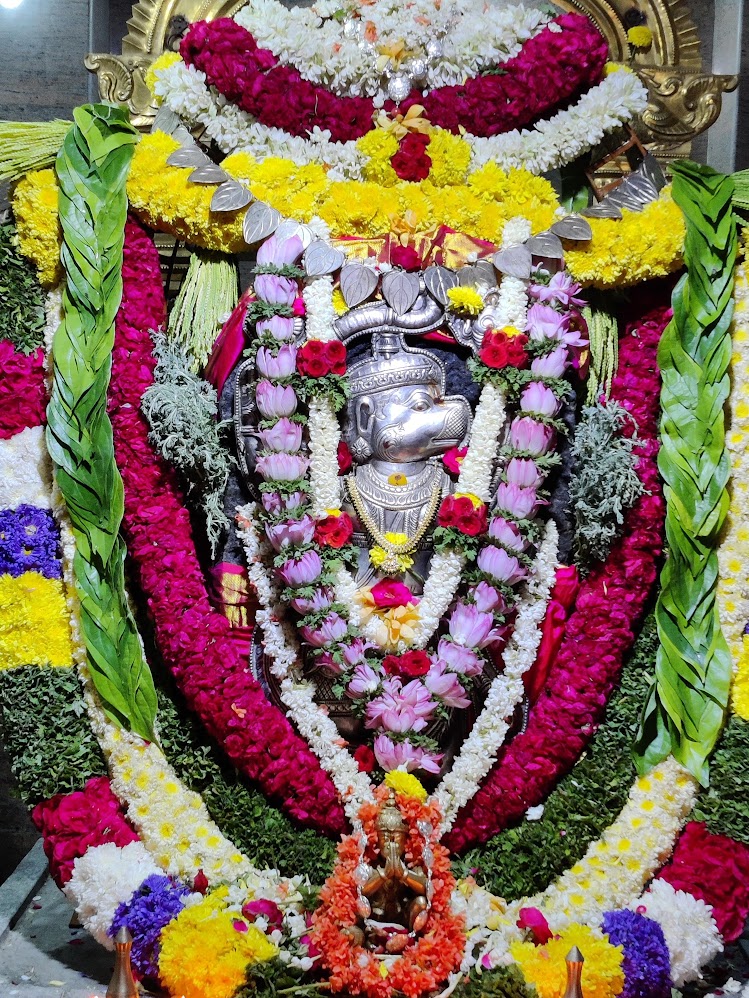
The poem ends while Sri Vyasatirtha is still teaching. Tradition remembers much more. He entered Brindavana at Nava Brindavana near Hampi. Purandara Dasa and Kanaka Dasa were his disciples. And he consecrated 732 idols of Mukhyaprana across the land, among them the Pranadevaru of our own village, Mavinakayinahalli.
ವ್ಯಾಸರಾಜರು ಇನ್ನೂ ಪಾಠ ಹೇಳುತ್ತಿರುವಾಗಲೇ ಕಾವ್ಯ ಮುಗಿಯುತ್ತದೆ. ಸಂಪ್ರದಾಯ ಇನ್ನೂ ಹೆಚ್ಚನ್ನು ಸ್ಮರಿಸುತ್ತದೆ. ಹಂಪೆಯ ಬಳಿಯ ನವವೃಂದಾವನದಲ್ಲಿ ಅವರು ವೃಂದಾವನಸ್ಥರಾದರು. ಪುರಂದರದಾಸರು ಮತ್ತು ಕನಕದಾಸರು ಅವರ ಶಿಷ್ಯರು. ನಾಡಿನಾದ್ಯಂತ ಅವರು ೭೩೨ ಮುಖ್ಯಪ್ರಾಣದೇವರ ಪ್ರತಿಷ್ಠೆ ಮಾಡಿದರು. ಅವರಲ್ಲಿ ನಮ್ಮೂರಾದ ಮಾವಿನಕಾಯಿನಹಳ್ಳಿಯ ಪ್ರಾಣದೇವರೂ ಒಬ್ಬರು.